 | |
 | |
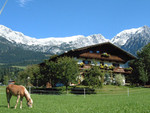
Farmhouse | |
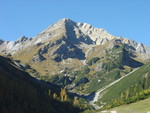
Mountains | |
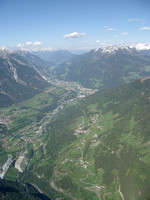
Typical landscape | |
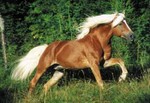
Haflinger | |

Alpine pasture with Pinzgauer-cows | |
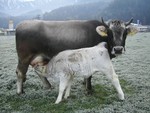
Grauvieh | |
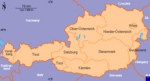
Austria
Year of entry to EU: 1995
Political system: Republic
Capital city: Vienna
Total area: 83 858 km²
Population: 8,2 million
Currency: Euro
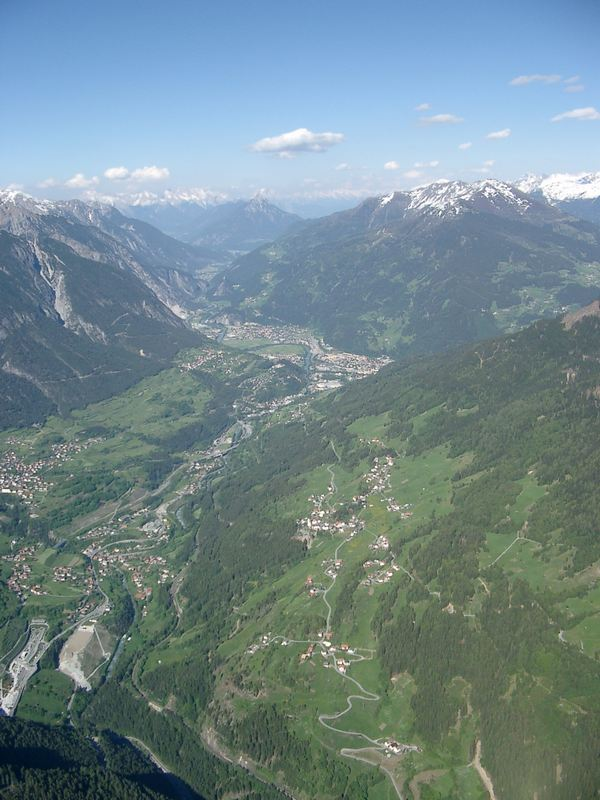
Austria is a small country but landscape and climate are very different in the east and in the west.
On the west side there are lots of mountains (the highest point is 3798m above sea level) and the east side is flat with only a few hills, a reason why most of the bigger farms are in this area.
In Austria there are four clear changed seasons. In winter there is a lot of snow especially on the mountains, so farmers are not able to grow crops during that time and cows have to stay inside the stables. In summer it is really warm until 35°C.
Typical farms in Austria
There are 123.782 farms in Austria, 65.965 farms are dairy farms with 583.281 dairy cows.
The agricultural part of the BIP is very small (only 1,3 %).
Typical Austrian farms:
• Area of 10 to 30 ha
• Most of the farmers keep cattle
• Keep between 3 and 19 animals
• Dairy farmers have 3 to 19 cows
• Lots of alpine pastures with an area between 3 and 50 ha
• Stall stable is very common (especially for smaller farms)
• Lose stall stable (for new built stables)
Dairy cows:
The most common breeds for milk production in Austria are the Simmentals and the Holstein Frisians, but the average milk production per year isn’t as good as in the Netherlands. Another dairy breed is the Braunvieh.
Many farmers keep duel purpose breeds like Simmentals, Pinzgauer and Grauvieh. They use them for producing milk and meat.
General production:
In Austria farms become larger, because it is not possible to get enough money out of small farms. The average of milk production per year becomes higher and more farmers breed Holstein Frisians. For the future it is very import for many farmers to find other special farm products, people still buy even when they are more expensive, because otherwise it will be very hard for them to run their small farms any longer
Page updated 21.11.2005 |